

If you’re pregnant and planning to pump, having a basic understanding before your baby arrives can make the process feel much less overwhelming. From knowing when to start to creating a routine that fits your schedule, this simple guide covers the fundamentals to help you feel more confident in those early postpartum weeks.
What Is Pumping?
Pumping means expressing breast milk using a breast pump. Moms do it for all sorts of reasons: storing milk for later, supplementing feedings, or easing the transition back to work. Think of it as a flexible way to keep your baby nourished while giving yourself more flexibility.
Manual vs. Electric Pumps
There are two main types of breast pumps: manual and electric.
- Manual pumps are hand-powered, quiet, and lightweight, making them ideal for occasional pumping, travel, or parents who prefer more control over suction.
- Electric pumps do most of the work for you and are better suited for parents who pump frequently. Many electric pumps can pump both breasts at once, and some include hands-free options to make multitasking possible.
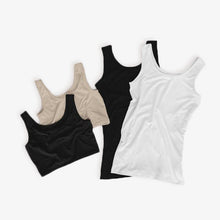
With a hands-free bra like the Larken X, multitasking is even easier. By holding the pump flanges securely in place, it allows parents to pump without using their hands. The bra is compatible with most major manual and electric pumps, so whether you’re using a portable manual pump or a double electric pump, you can free your hands to eat, work, scroll, or even hold your baby while pumping.
Why the Larken X Is a Must-Have for Pumping
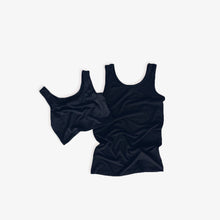
Designed to make your life easier, the Larken X is wire-free and provides relaxed, comfortable support. Unlike other nursing and pumping bras, it skips complicated holes, zippers, clips, or elastic bands that can feel awkward or uncomfortable. Its simple, thoughtful design makes it the most comfortable all-in-one nursing and pumping bra you’ll want to live in day and night.
The hands-free design is especially helpful for parents using manual pumps, holding the flanges securely in place while freeing your hands for other tasks. Its adjustable fit ensures it works with most major pumps, making it a versatile option for a wide range of parents. By reducing strain on your arms and shoulders and making pumping more practical, the Larken X helps integrate pumping smoothly into your daily routine, whether at home, at work, or on the go.
How Often and How Long Should You Pump?
In the early weeks, pumping every two to three hours can help maintain your milk supply. Each session generally lasts 15–20 minutes, or until milk flow slows. Double pumping, or expressing from both breasts at once, can save time and sometimes increase output. Consistency is important; your supply will usually adjust and improve over time.
How Much Milk Should You Expect?
Milk output varies widely from parent to parent. Some may pump only a few ounces at first, while others produce more. Supply typically increases with consistent pumping, and every ounce counts when building a stash or supplementing feedings. Don’t stress about exact numbers, focus on maintaining a routine that works for you.
Storing Pumped Milk
Proper storage keeps milk safe and preserves nutrients. Here are the standard guidelines:
- Room temperature: up to 4 hours
- Refrigerator: up to 4 days
- Freezer: 6–12 months depending on your freezer
Always label your milk with the date and thaw it in the fridge or with warm water. Never microwave breast milk, as it can create hot spots and damage nutrients.
Can Pumping Hurt?
Some discomfort can occur when you first start, but pumping shouldn’t be painful. Make sure your flange fits correctly, as the wrong size can cause soreness. Begin with low suction and gradually adjust to a comfortable level. If pumping continues to be uncomfortable, a lactation consultant can usually help make small adjustments that improve comfort and efficiency.
Cleaning Your Pump
Wash all parts that touch milk in warm, soapy water after each use, and sterilize them once a day. Let parts air dry completely before reassembling.
Pumping On The Go
Even with a manual pump, pumping outside the home is doable with the right tools. An insulated bag or cooler keeps milk safe, and a hands-free bra like the Larken X allows discreet pumping at work or while traveling. Planning sessions around breaks or feeding windows helps maintain consistency even on busy days.
Pumping doesn’t have to feel overwhelming. With the right pump, a hands-free bra like the Larken X, and a little patience, it can become a manageable and even empowering part of your feeding journey.
This information is for educational purposes only and is not a substitute for professional medical advice. Always consult your doctor or a qualified healthcare provider for guidance on feeding your baby.
Sources: CDC, La Leche League, American Pregnancy Association