

Clogged ducts are a common frustration for breastfeeding parents. They can cause discomfort, swelling, and even lead to mastitis if left untreated. The good news is that there are several simple strategies to help prevent and relieve clogged ducts while keeping breastfeeding comfortable and effective.
Breastfeed in Different Positions
Changing your feeding position helps ensure all areas of the breast are emptied thoroughly, which can prevent milk from backing up. Try side-lying, football hold, or cradle hold to find the position that works best for you and your baby. Check out our guide to the best breastfeeding positions here.
Create a Frequent Feeding Schedule
Frequent and complete feedings are key to maintaining milk flow and preventing blockages. Aim for 8–12 feedings in 24 hours, making sure each breast is emptied fully. This routine helps protect your supply and keeps you comfortable.
Establish a Good Latch
A proper latch not only improves milk transfer but also reduces nipple pain and protects against damage. If feeding causes pain beyond the first few seconds, gently unlatch and try again to ensure both you and your baby are comfortable.
Use Pure Lanolin
Sore or cracked nipples are common while nursing. Applying high-quality pure lanolin after each feeding can soothe discomfort and support healing. There’s no need to wash it off before your next feeding, making it an easy, safe solution.
Wear the Right Bra (Larken X)
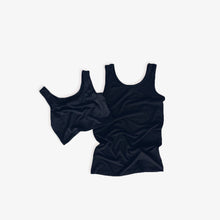
A functional, comfortable bra can make a world of difference while breastfeeding. The Larken X is wire-free, offering gentle, relaxed support without the hassle of elastic, zippers, clips, or openings that don’t make sense. Its thoughtful design provides easy access for feeding while keeping you comfortable all day, perfect for parents navigating clogged ducts or frequent nursing sessions.
As always, this information is for general educational purposes and is not a substitute for professional medical advice. Always consult your healthcare provider regarding your specific breastfeeding needs or concerns.
Source: Mayo Clinic Health System