

Key Takeaways
- Replace one nursing session with a pumping session each day rather than switching everything at once.
- Start pumping a few weeks before returning to work so you can learn your pump, feel confident pumping, create a milk stash, and help your baby adjust to bottle feeding.
- Choosing the right pump matters so that you can easily transport it to and from work and that it properly fits the flange.
- A good nursing and pumping bra that you can wear to work makes pumping more comfortable and seamless.
- Your pumping routine may change over time based on your work schedule, milk supply, and what your baby needs.
Transitioning from exclusively breastfeeding to pumping at work is a big adjustment and may feel overwhelming at first. With practice and a comfortable nursing and pumping bra, it can become a seamless part of your daily routine.
Whether you plan to exclusively pump or nurse and pump, preparing ahead of time can make the transition smoother for both you and your baby.
The bra moms live in

$52.00
Should I Start Pumping Before Returning To Work?
One of the best ways to prepare for the transition is to start pumping a few weeks before your first day back at work. This gives you time to learn how your pump works, build a milk stash, and help your baby become comfortable taking breast milk from a bottle. Start by replacing one breastfeeding session with a pumping session and gradually increase as needed. Try to pump around the same time every day. Gradually making the transition allows your body to adapt and helps your baby become comfortable with a new feeding routine.
How Do You Start Pumping While Nursing?
If breastfeeding is going well and your baby is healthy and gaining weight, the American Academy of Pediatrics recommends exclusively breastfeeding for about six months after birth. An easy way to begin pumping is to add one pumping session each day rather than trying to pump after every feeding. Starting gradually gives your body time to adjust, helps you learn your pump, and allows you to build a pumping routine to increase milk supply.
How Do You Create A Breast Milk Stash?
A stash of at least three days’ worth of milk is usually enough to start with. Since you’ll likely pump during your workday to replace the milk your baby drinks, you’ll continue maintaining your supply, and may have a small backup stash if you pump more than your baby needs.
What Is The Best Breastfeeding Pump?
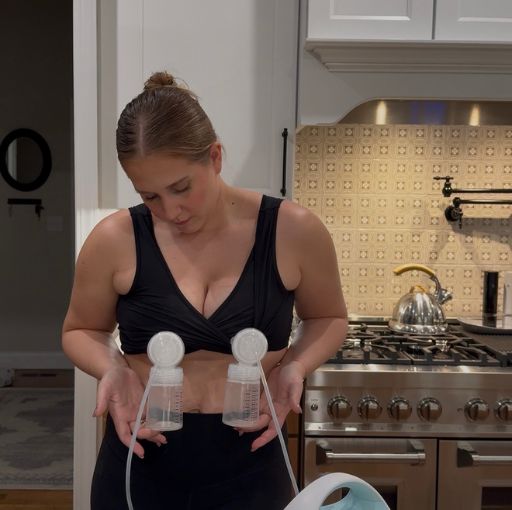
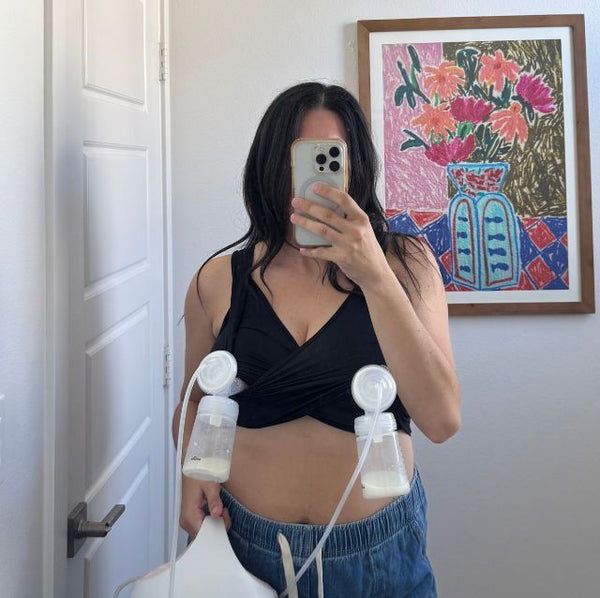
When choosing a breastfeeding pump, it’s important to choose a maternity bra that easily fits your pump. A pump that fits comfortably with your nursing and pumping bra can make expressing milk seamless and convenient, especially while you’re at work. The Larken X is designed to work with most popular breast pumps, so moms can nurse and pump without changing bras or dealing with uncomfortable hardware. Its buttery soft, stretchy fabric is so comfortable that you can wear it all day and night. Here are tips for choosing the right breastfeeding pump:
- A portable, lightweight pump is easier to carry to and from work.
- Multiple suction and speed settings so you can customize each pumping session for a more comfortable experience.
- The flange, or breast shield should fit correctly around your nipple to allow for comfortable movement and proper milk flow.
Best Hands-Free Pumping Bra For Work
The Larken X is a hands-free all in one nursing and pumping bra designed to seamlessly allow you to discreetly and comfortably nurse or pump. It doesn’t have uncomfortable zippers, snaps, clips, or complicated hardware that can be painful on sensitive skin.
- Buttery soft breathable fabric
- Maintains shape after multiple washes
- Can quickly switch between nursing and pumping
- Adapts to fluctuating breast sizes
- Compatible with Spectra pumps
- Securely holds flanges
- Button-free nursing access
- All day and night pumping comfort
- Completely hardware-free design
- OEKO-TEX certified
Pack A Pumping Bag For Work
Bringing a pumping bag to work can make your transition back smoother and less stressful. Essential pumping bag items could include:
- Breast pump and charger
- Extra pump parts
- Pumping bra
- Breast milk storage bags or bottles
- Cooler bag with ice packs
- Extra shirt and pumping bra in case of leaks
Establishing a successful pumping routine while working may take some time. As your milk supply, work schedule, baby’s feeding habits, and other daily responsibilities change, you may need to adjust your pumping schedule. Every breastfeeding journey looks different. Some moms continue pumping at work for months, while others may start spacing out or reducing sessions as their baby transitions to solid foods. Don’t put pressure on yourself because this time can already be overwhelming. The best pumping routine is the one that works for you and your baby.
Bundle and save


FAQs
How do you store breast milk?
Storing breast milk safely is really important so your baby isn’t exposed to harmful bacteria. Learn about proper storage tips from the CDC.
How long should a pumping session be?
Most pumping sessions last 15 to 20 minutes, but vary depending on your milk supply, breast pump, and how quickly your body releases milk.
How do I make pumping at work comfortable?
A supportive hands-free pumping bra like the Larken X will help you comfortably and seamlessly pump at work because you don’t have to change bras to do so, and it easily fits flanges.
Do I need to build a freezer stash of milk before going back to work?
Having about three days’ worth of milk stored as a backup before returning to work is usually good. Once you begin pumping regularly at work, you’ll likely have extra milk so you can replenish your supply.