

Welcoming a new baby is an amazing and a life-changing experience. The postpartum period, often called the fourth trimester, is a time of major transition as your body fluctuates and works to heal from childbirth. You may feel overwhelmed, sleep deprived, and emotional as your hormones fluctuate. It’s important to remember that healing isn’t linear, and everyone’s recovery looks different.
Prioritize Your Physical Recovery After Childbirth
Your body needs time from childbirth, so don’t rush or feel you need to rush your recovery.
Rest When Your Baby Sleeps
Rest when your baby sleeps is advice you probably hear often, because it really is an essential part of postpartum healing since your body does most of its healing and restoration while you sleep. Even if you don’t fall into a deep sleep, lying down and closing your eyes gives your nervous system a chance to reset, which can help with your overall sleep health. The practice of intentional, routine rest will prepare you for what this season of change needs from you.
Stay Hydrated & Eat Nutritious Food
Your body heals best when it has the nutrients and energy it needs. Nursing mothers need extra calories and fluids, but all new moms should stay well hydrated and eat nutritious food. An easy way to stay hydrated is to carry a water bottle with you wherever you go, making it easier to sip water consistently throughout the day. Bring nutritious snacks with you when you’re on the go to make sure you eat enough throughout the day. Nourishing your body gives you the strength you need to recover and care for your newborn.
Exercise With Low-Impact Workouts
As a new mom, easing back into exercise with low-impact workouts can help you recover while slowly rebuilding your strength, energy, and boost your mood. Activities like walking, stretching, postpartum yoga, and pelvic floor exercises can help improve circulation and strengthen muscles without placing excessive strain on your body while it’s healing. It’s important to listen to your body, move at your own pace, and gradually increase activity when you feel ready. Exercise is an essential part of self-care and to help overall well-being throughout the postpartum journey, but be sure to consult with your doctor before starting.
Emotional Recovery Postpartum
Emotional recovery after childbirth is just as important as physical recovery. Hormonal changes can trigger the “baby blues,” often causing feelings of sadness, anxiety, or irritability.
Validate Your Feelings
Your feelings are valid, so give yourself permission to experience whatever emotions come up. It’s common to feel immense joy one moment and deep sadness or frustration the next. You may grieve the loss of how your days were before giving birth, or feel overwhelmed by your new responsibilities. Motherhood is a huge change to your life.
Ask For Help When Needed
Lean on your support system whether that’s family, friends, or support groups. Ask your loved ones if they can come over and help if you need a break to sleep, shower, take a long bath, run errands, exercise, or do some chores. Sometimes, emotional support simply is just having someone listen to you, because expressing how you feel can make the transition to being a new mom feel less overwhelming.
The Importance Of Self-Care For New Moms
Self-care isn’t something you should think of as a luxury, but something necessary for your emotional and mental well-being. When you take care of yourself, you’ll feel more prepared and confident to care for your baby.
Carve Out Moments For You
Take a few minutes to enjoy a cup of coffee or tea, read a book, journal, or practice deep breathing exercises. Your ambitions don't end when you become a mother. They can evolve and expand to more than you ever dreamed possible. These micro-moments of self-care are important for your personal identity and mental health.
Don’t Hesitate To Seek Medical Support
Don’t ever hesitate to reach out to professionals if you need to. Getting professional help is a sign of strength so you can work through your postpartum journey.
Postpartum Support Groups
Comfortable Postpartum Clothing
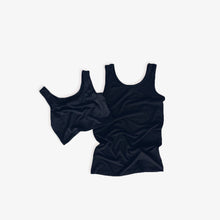
After childbirth, postpartum clothing that is soft, breathable, and loose-fitting is important to comfortably accommodate your changing body without irritating sensitive areas. Larken’s high-waisted leggings, tank top, all-in-one nursing and pumping bra, high-rise brief, and postpartum pajamas are buttery soft and have easy access for nursing or pumping. Postpartum clothing that’s soft and gentle on your skin can help support your recovery and keep you comfortable through postpartum and beyond.
FAQs
What’s the most breathable fabric for postpartum underwear?
Our high-waisted briefs offer gentle support for postpartum bellies and are comfortable enough to wear day and night.
What postpartum essentials should I bundle from Larken for the hospital bag?
Postpartum essentials to bundle from my hospital bag include, Larken’s:
- High-waisted leggings
- Tank top
- All-in-one nursing and pumping bra
- High-rise brief
- Maternity pajama set
- Button-down nightshirt
Do Larken pajamas run true to size during the third trimester and postpartum?
Review our size guide to find the best fit.
How do I choose postpartum underwear that’s gentle on a C-section incision?
Larken’s high-waisted postpartum underwear is soft, supportive, and stretchy so you’re comfortable all through the day and at night.
How do I measure myself for a maternity and postpartum bra at home?
Check out our how-to guide and video on how to measure yourself at home for Larken’s all-in-one nursing and pumping bra. Our maternity bra is so comfortable you can wear it all day and night.
How do I build a capsule wardrobe for pregnancy and postpartum?
Building a capsule wardrobe for pregnancy and postpartum is all about choosing versatile, comfortable pieces that adapt to your changing body and can be worn day or night, dressed up or down, or worn on vacation. Shop Larken’s popular everyday pregnancy and postpartum essentials.